Project management.
Home»Project
Three disciplines
Dry dock, new build and conversion — managed end to end.
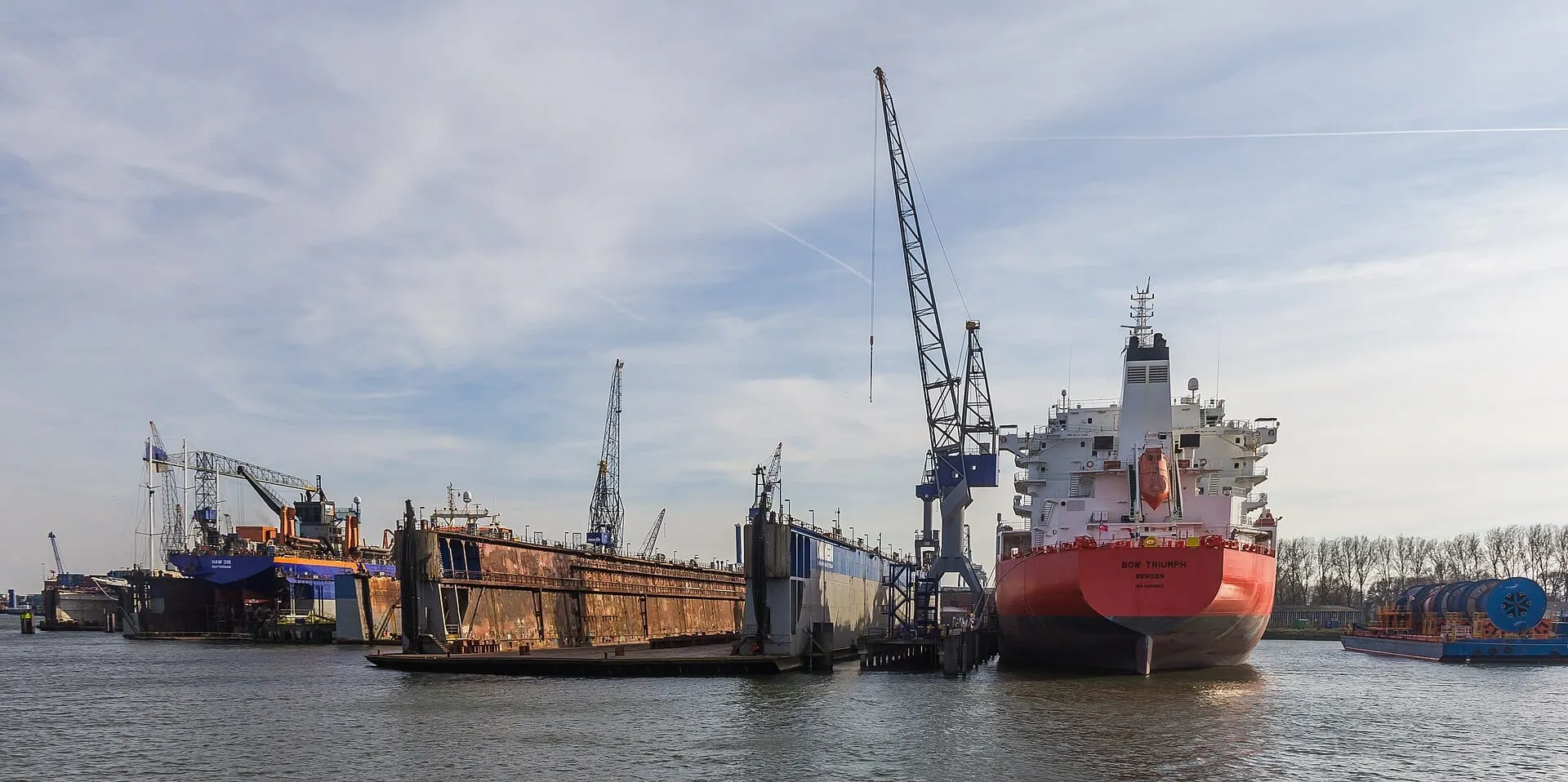
Dry dock management plays a vital role in the upkeep and repair of ships. New build management oversees every step from the design phase to the final delivery of a new ship. And conversion management adapts a vessel to meet new operational needs or comply with updated regulations.
01 — Dry dock management
Why dry dock management matters.
- Regular Maintenance: Dry docking allows for routine maintenance tasks like hull cleaning, painting, and inspecting the ship’s underwater parts. By doing so, it prevents corrosion and fouling, which can negatively impact a ship’s performance and lifespan.
- Repair and Overhaul: Dry docks provide a controlled environment for major repairs and overhauls that cannot be carried out while the ship is in the water. This includes work on the propulsion system, hull, and other critical components.
- Compliance and Certification: Dry dock inspections are often necessary to meet regulatory requirements and maintain class certifications. Effective management ensures that these inspections are scheduled and completed on time.
- Optimizing Downtime: Efficient dry dock management minimizes the time a ship spends out of service, reducing the impact on operational schedules and revenue generation.
- Cost Management: Proper planning and management of dry dock operations can help control costs by optimizing resources, minimizing downtime, and avoiding costly delays or rework.
02 — New build management
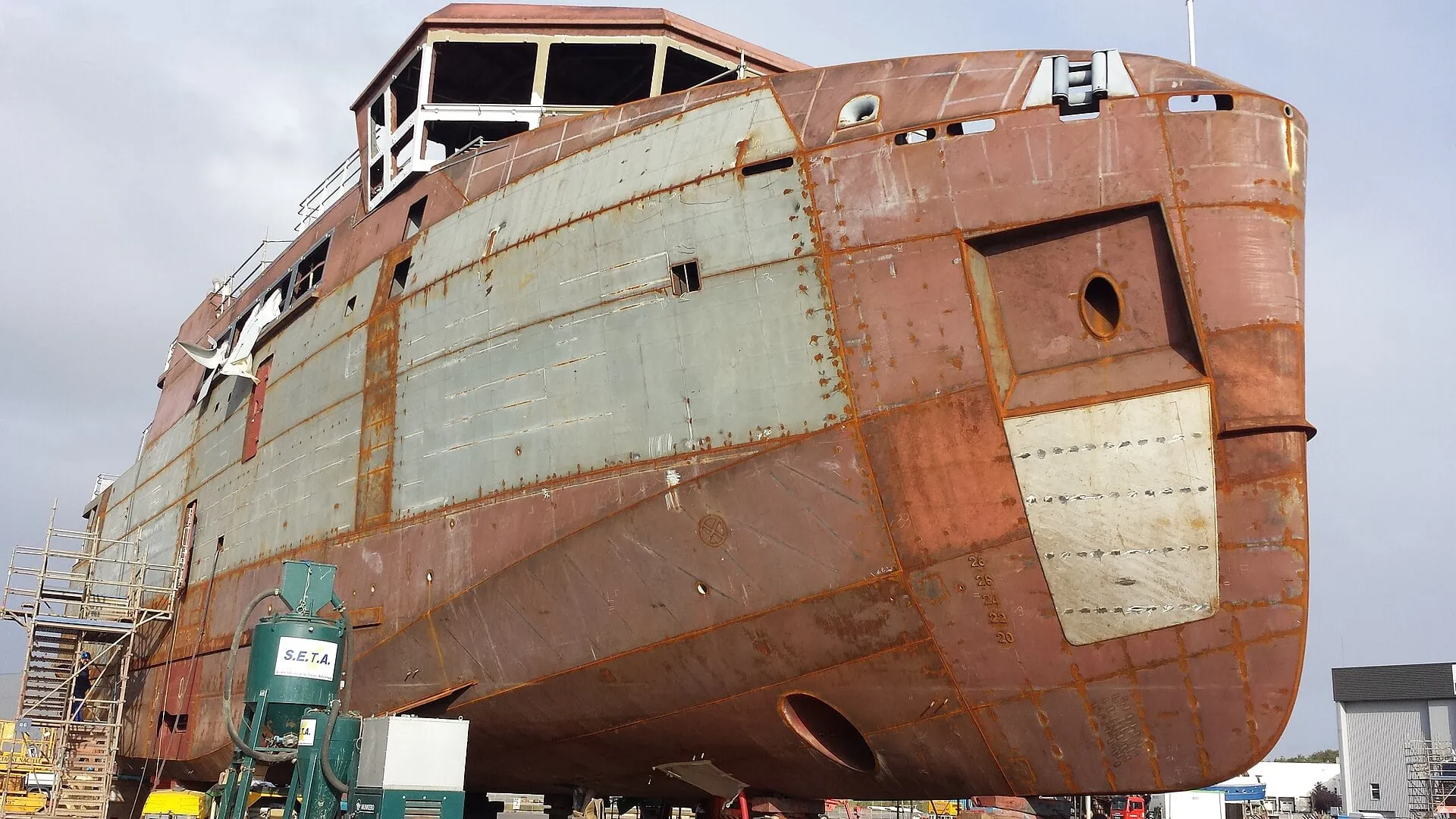
From the design phase to final delivery.
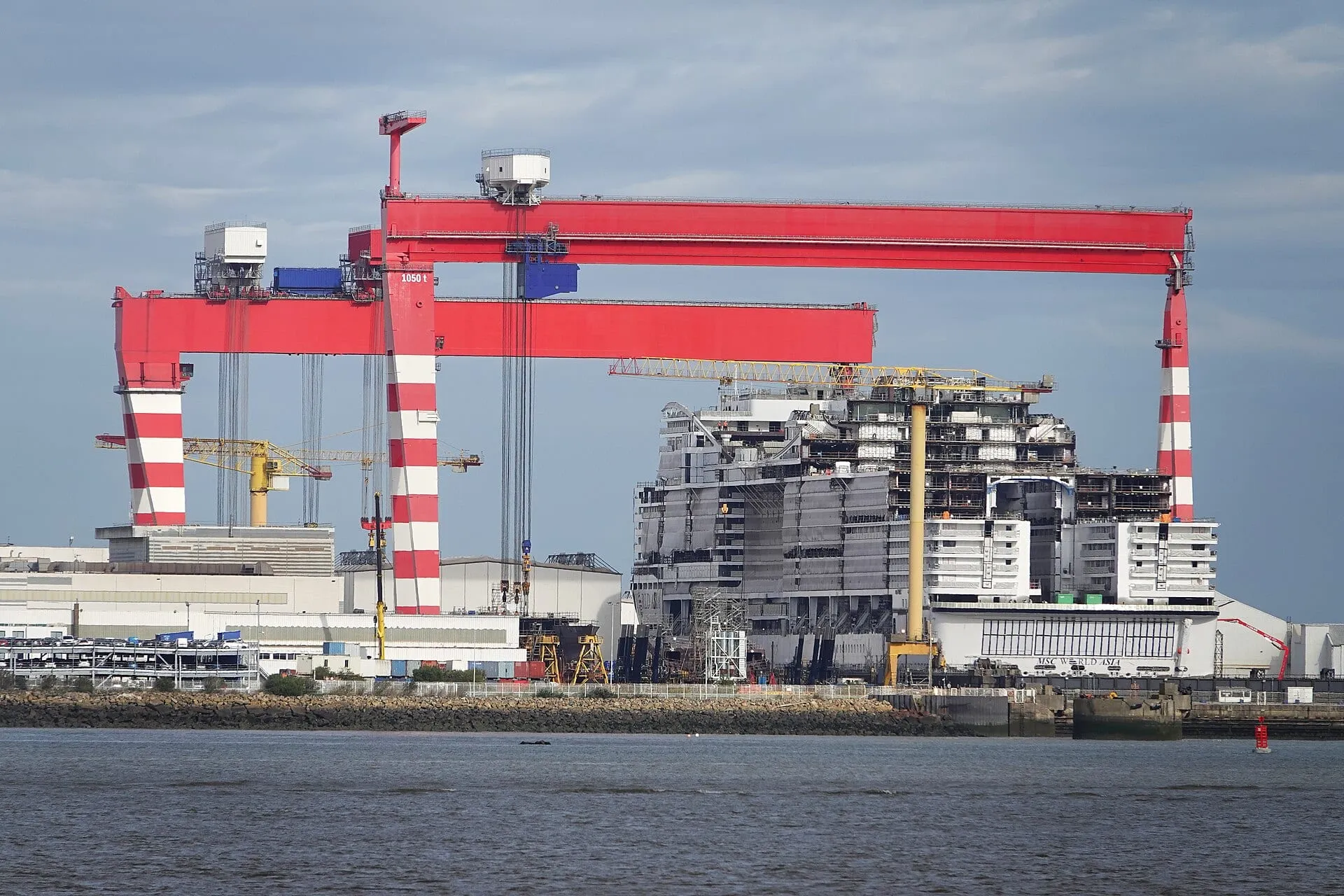
A complex process that involves working closely with shipyards, designers, classification societies, and suppliers to ensure the vessel is constructed to meet all requirements, stay within budget, and be completed on time.
- Design and specification: Working with naval architects and engineers to develop the vessel’s design and specifications, taking into account the intended use, regulations, and customer preferences.
- Contract negotiation: Negotiating contracts with shipyards, suppliers, and other parties involved in the construction process to ensure favourable terms and conditions.
- Project planning: Developing a detailed project plan that outlines the timeline, milestones, and budget for the construction project.
- Construction oversight: Monitoring the construction progress, quality, and compliance with specifications, and addressing any issues that may arise during the process.
- Testing and commissioning: Conducting tests and inspections to ensure that the vessel meets all regulatory and operational requirements before delivery.
- Delivery and handover: Managing the final delivery of the vessel to the owner, including the completion of all necessary documentation and the handover of the vessel’s operation to the crew.
03 — Conversion management
Unlock the potential of your vessel.
When it comes to converting a vessel, the goal is to adapt it to meet new operational needs or comply with updated regulations. This comprehensive process may involve making structural adjustments, upgrading equipment, or even reconfiguring the layout.
- Planning and Design: Determine the scope of the conversion, including changes to the vessel’s structure, systems, and layout. Develop detailed plans and specifications for the conversion work.
- Regulatory Compliance: Ensure that the conversion meets all relevant regulations and standards, such as those set by classification societies, flag states, and international conventions.
- Project Management: Coordinate the conversion project, including scheduling, budgeting, and overseeing the work of contractors and suppliers.
- Structural Modifications: This can include hull extensions, strengthening, or alterations to accommodate new equipment or systems.
- System Upgrades: Upgrade or install new systems, such as propulsion, power generation, navigation, and communication systems.
- Interior Refurbishment: Modify the interior layout and design to meet new requirements, improve functionality, or enhance comfort.
- Commissioning and Testing: Ensure that all converted systems and equipment are properly installed, tested, and commissioned before the vessel is put into service.
- Documentation: Maintain accurate documentation of the conversion process, including plans, specifications, inspection reports, and compliance certificates.
Start a project
Put a superintendent between you and the yard.
Send the project outline and we'll come back with a scope and an indicative fee.
After you get in touch
What can you expect after asking your questions?
- 01Less than 10-hour response to your questions
- 02Thoroughness and expertise of a Certified Specialist
- 03Plan of action summarized in an email follow-up